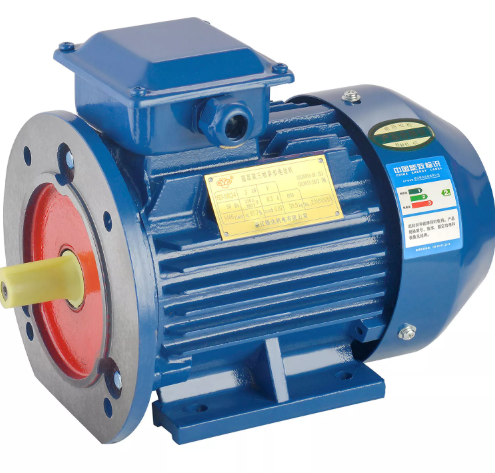
Choosing an industrial motor requires more than matchin…
Choosing an electric motor starts with understanding the equipment it will drive. Two motors with the same rated power may have different speeds, mounting dimensions, starting characteristics, and operating limitations.
For a new machine or a replacement project, the following checks help narrow down the right specification.
1. Start with the Driven Equipment
Identify the equipment and how it operates. A pump, conveyor, compressor, and machine tool can place different demands on a motor.
Describe whether the machine starts under load, runs continuously, stops frequently, or experiences sudden load changes. These details help determine whether the proposed motor can meet the application’s operating requirements.
2. Confirm Power and Operating Speed
Rated power describes the motor’s mechanical output under its specified operating conditions. However, power alone does not tell you whether the motor will deliver the required performance.
The machine also needs the correct operating speed and torque. If a gearbox is involved, distinguish between motor speed and the required speed at the gearbox output.
For an existing installation, record the rated power and speed from the motor nameplate. For a new design, obtain the required shaft power and speed from the equipment specification.
3. Check the Electrical Supply
Confirm the supply voltage, frequency, and number of phases before selecting a model. The supplied motor’s nameplate ratings and connection arrangement must match the installation.
Do not assume that a motor offered for one frequency has the same ratings at another frequency. Likewise, a motor with multiple voltage ratings must be connected according to its wiring diagram.
If a variable frequency drive will be used, specify the intended speed range and load requirements. Motor compatibility, cooling at low speeds, and electrical insulation requirements should be reviewed.
4. Verify Mounting and Dimensions
A replacement motor must fit the machine as well as meet its electrical requirements.
Check the mounting arrangement, shaft diameter, shaft extension, keyway, foot-hole spacing, and flange dimensions where applicable. Also confirm that there is sufficient space for the terminal box, cooling airflow, and maintenance access.
A dimensional drawing is more reliable than judging compatibility from a photograph.
5. Describe the Operating Environment
Ambient temperature, altitude, moisture, dust, and corrosive conditions can affect motor selection.
State whether the motor will be installed indoors or outdoors and whether special environmental protection is required. For a classified hazardous location, selection must use the applicable protection requirements and certification rather than the general product name alone.
6. Compare Efficiency at the Expected Operating Conditions
Efficiency is relevant to operating cost, especially where equipment runs for many hours. However, energy savings depend on the application, loading, operating hours, and the motor being replaced.
When comparing options, request efficiency information for the relevant operating conditions. Avoid choosing solely on a headline saving percentage.
Prepare a Clear Motor Specification
Before requesting a recommendation, collect:
Driven equipment and load description.
Required power and operating speed.
Supply voltage and frequency.
Operating hours and starting frequency.
Mounting arrangement and installation dimensions.
Ambient conditions and any special requirements.
Need Help Selecting a Motor?
Send EHAI your application details and required specifications. For replacement enquiries, include a clear motor nameplate photo and any available dimensional drawings.
For a new machine or a replacement project, the following checks help narrow down the right specification.
1. Start with the Driven Equipment
Identify the equipment and how it operates. A pump, conveyor, compressor, and machine tool can place different demands on a motor.
Describe whether the machine starts under load, runs continuously, stops frequently, or experiences sudden load changes. These details help determine whether the proposed motor can meet the application’s operating requirements.
2. Confirm Power and Operating Speed
Rated power describes the motor’s mechanical output under its specified operating conditions. However, power alone does not tell you whether the motor will deliver the required performance.
The machine also needs the correct operating speed and torque. If a gearbox is involved, distinguish between motor speed and the required speed at the gearbox output.
For an existing installation, record the rated power and speed from the motor nameplate. For a new design, obtain the required shaft power and speed from the equipment specification.
3. Check the Electrical Supply
Confirm the supply voltage, frequency, and number of phases before selecting a model. The supplied motor’s nameplate ratings and connection arrangement must match the installation.
Do not assume that a motor offered for one frequency has the same ratings at another frequency. Likewise, a motor with multiple voltage ratings must be connected according to its wiring diagram.
If a variable frequency drive will be used, specify the intended speed range and load requirements. Motor compatibility, cooling at low speeds, and electrical insulation requirements should be reviewed.
4. Verify Mounting and Dimensions
A replacement motor must fit the machine as well as meet its electrical requirements.
Check the mounting arrangement, shaft diameter, shaft extension, keyway, foot-hole spacing, and flange dimensions where applicable. Also confirm that there is sufficient space for the terminal box, cooling airflow, and maintenance access.
A dimensional drawing is more reliable than judging compatibility from a photograph.
5. Describe the Operating Environment
Ambient temperature, altitude, moisture, dust, and corrosive conditions can affect motor selection.
State whether the motor will be installed indoors or outdoors and whether special environmental protection is required. For a classified hazardous location, selection must use the applicable protection requirements and certification rather than the general product name alone.
6. Compare Efficiency at the Expected Operating Conditions
Efficiency is relevant to operating cost, especially where equipment runs for many hours. However, energy savings depend on the application, loading, operating hours, and the motor being replaced.
When comparing options, request efficiency information for the relevant operating conditions. Avoid choosing solely on a headline saving percentage.
Prepare a Clear Motor Specification
Before requesting a recommendation, collect:
Driven equipment and load description.
Required power and operating speed.
Supply voltage and frequency.
Operating hours and starting frequency.
Mounting arrangement and installation dimensions.
Ambient conditions and any special requirements.
Need Help Selecting a Motor?
Send EHAI your application details and required specifications. For replacement enquiries, include a clear motor nameplate photo and any available dimensional drawings.